G
★
growth. % See the full list
60+ serums tested · 15 ranked
lash serum ranking

growth.

The lash serums that actually deliver longer, fuller lashes — ranked, not advertised

View ranking →

Independent scoring for
the lashes you actually want
Last updated 13 August 2026

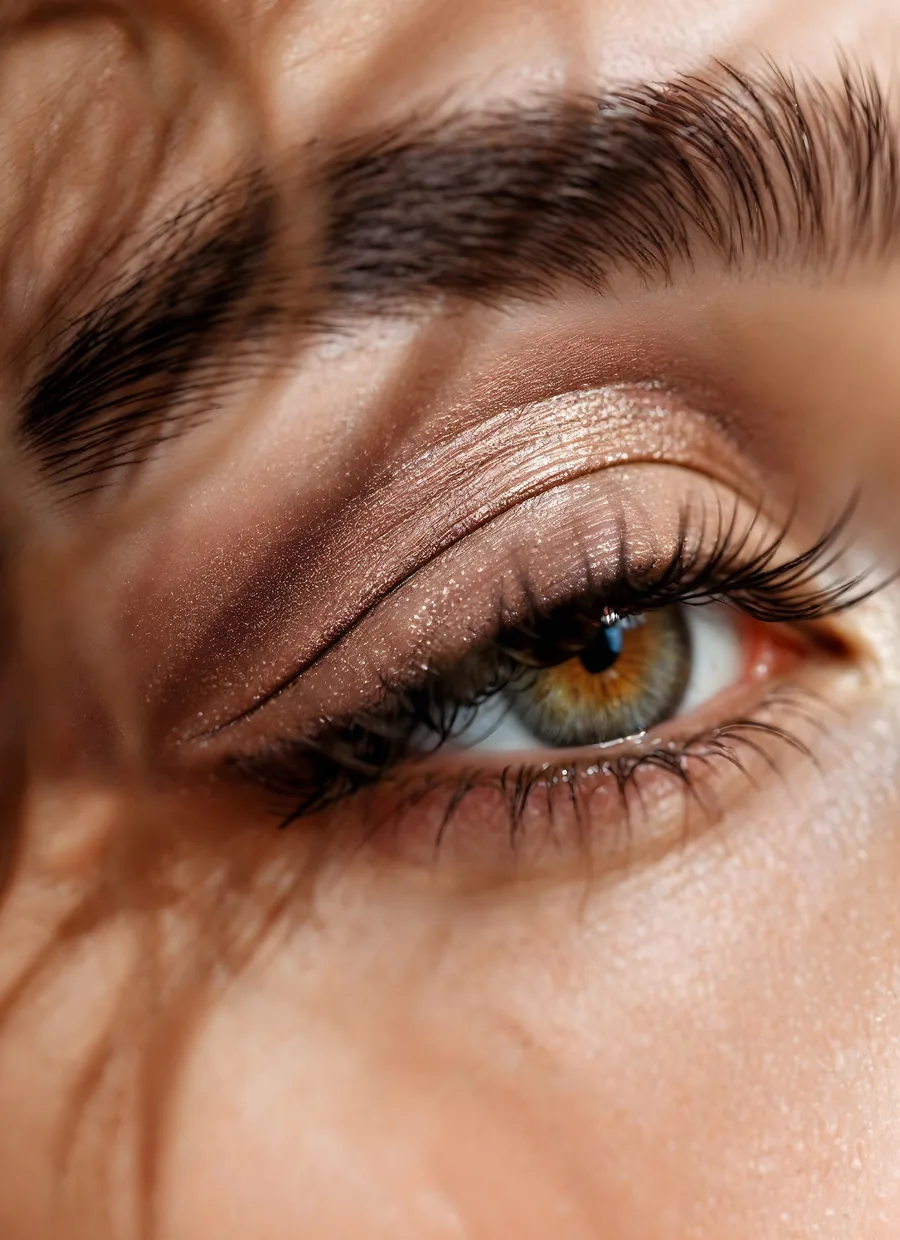
Close-up of a hazel eye with long, defined lashes and a groomed brow

How we
score lash serums

Every serum is judged on the same four criteria, weighted the same way for every product. Results carry the most weight, because that is what people buy a serum for — but safety still costs a fifth of the score, and every prostaglandin analogue is labelled on the list.

Efficacy — 50%

How much longer and fuller lashes actually get, based on real 8–12 week user trials.

Safety — 20%

Prostaglandin analogues cap this score whatever the trial shows, because the known risks build over years rather than weeks.

Ingredients — 20%

Peptides, biotin and panthenol at meaningful concentrations — not just water and fragrance.

Value — 10%

Cost per month of use in pounds, factoring in how long each tube really lasts.

Trusted by
real lash lovers

Independent 8–12 week user trials on length, fullness, irritation and ingredient quality — reviewed twice a year.

Browse full ranking →
Read the full methodology →
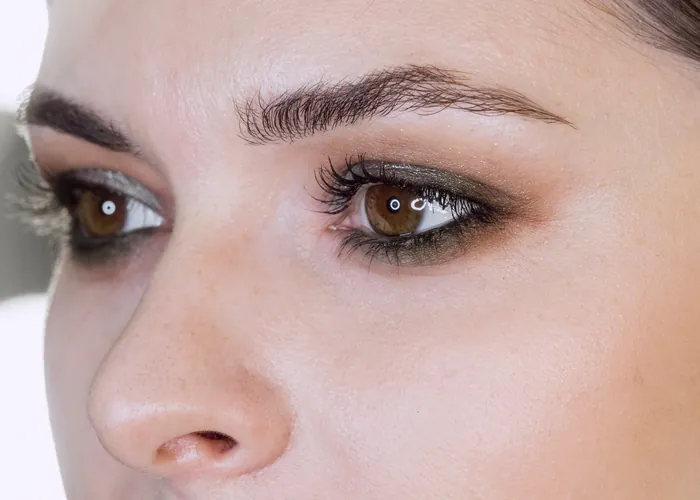
Close-up of a woman's eyes and lashes

The Top 5 right now

Highest-scoring products across all categories this season. Twelve of the fifteen we ranked contain a prostaglandin or an analogue of one — every one is labelled.

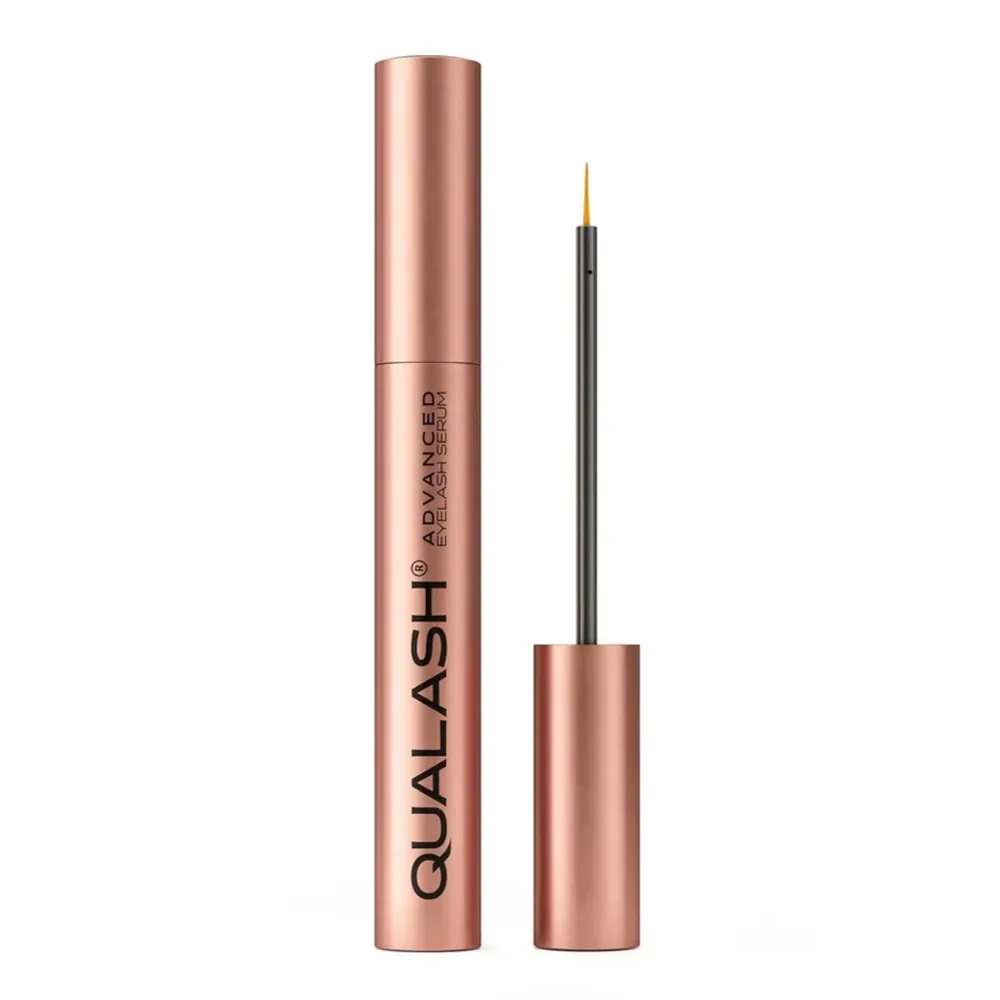
1 QUALASH Advanced Eyelash Serum
Growth serum · £34 / 3.5 ml
QUALASH Advanced Eyelash Serum
Strongest results we measured — ethyl tafluprostamide (DDDE)
• Fastest results we measured • Ethyl tafluprostamide (DDDE)
8.7
score / 10
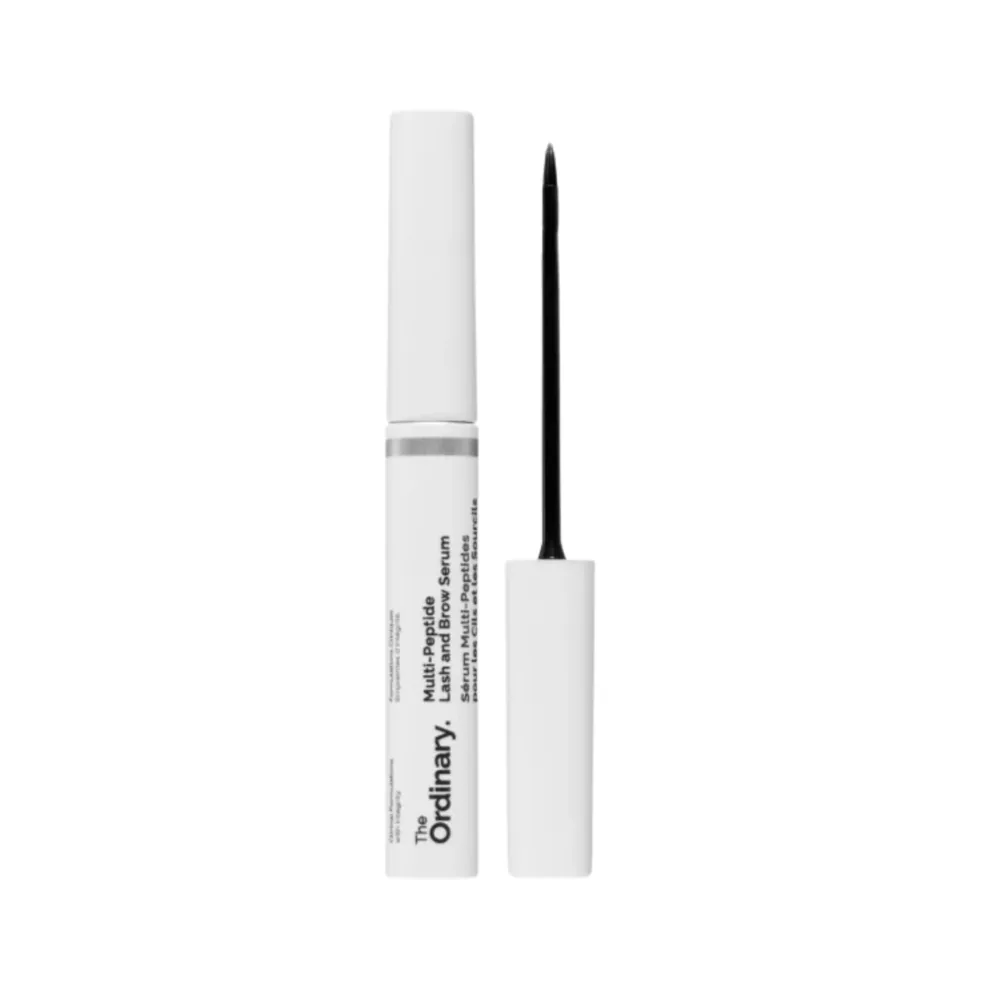
2 The Ordinary Multi-Peptide Lash and Brow Serum
Peptide serum · £16 / 5 ml
The Ordinary Multi-Peptide Lash and Brow Serum
Best analogue-free option — four peptides, chemist price
• Verified prostaglandin-free • Cheapest per month
8.3
score / 10
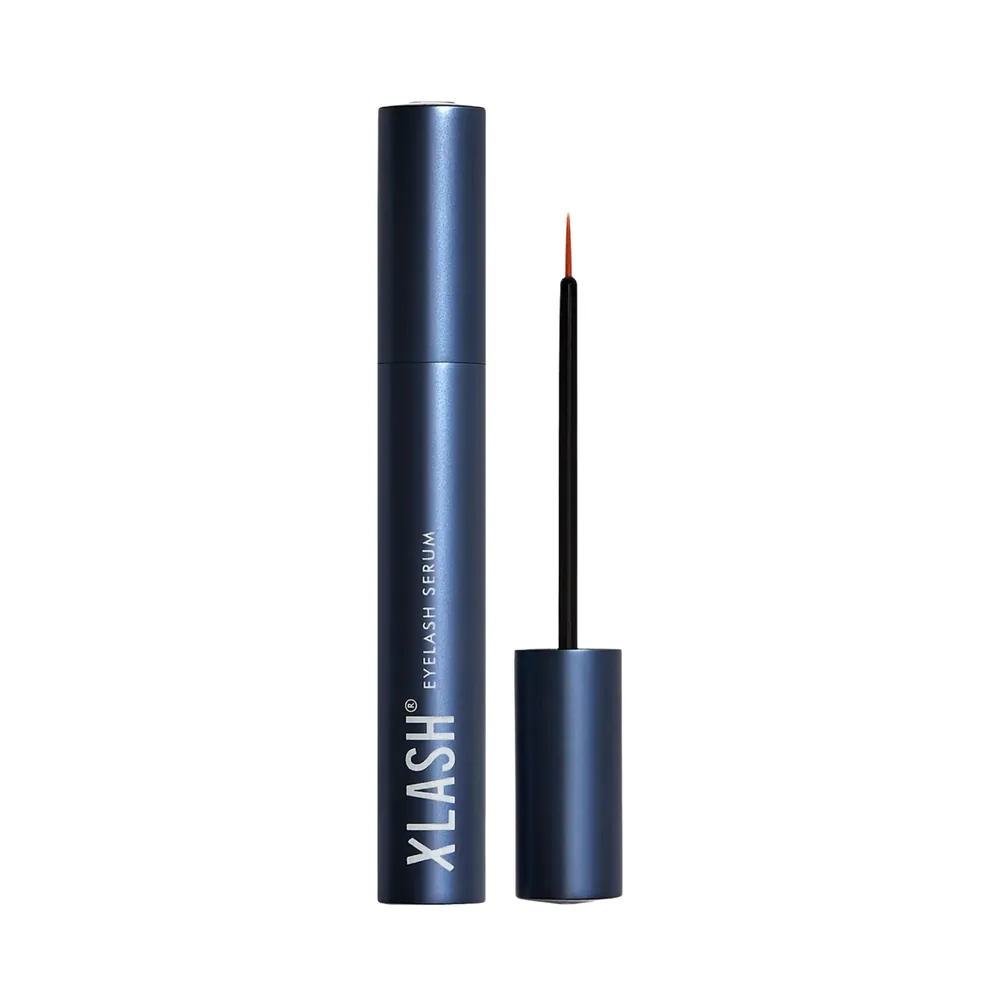
3 XLASH Eyelash Serum
Growth serum · £45 / 3 ml
XLASH Eyelash Serum
Fast, but the classic formula lists DDDE at 0.0015%
• Fast results • DDDE at 0.0015%
8.1
score / 10
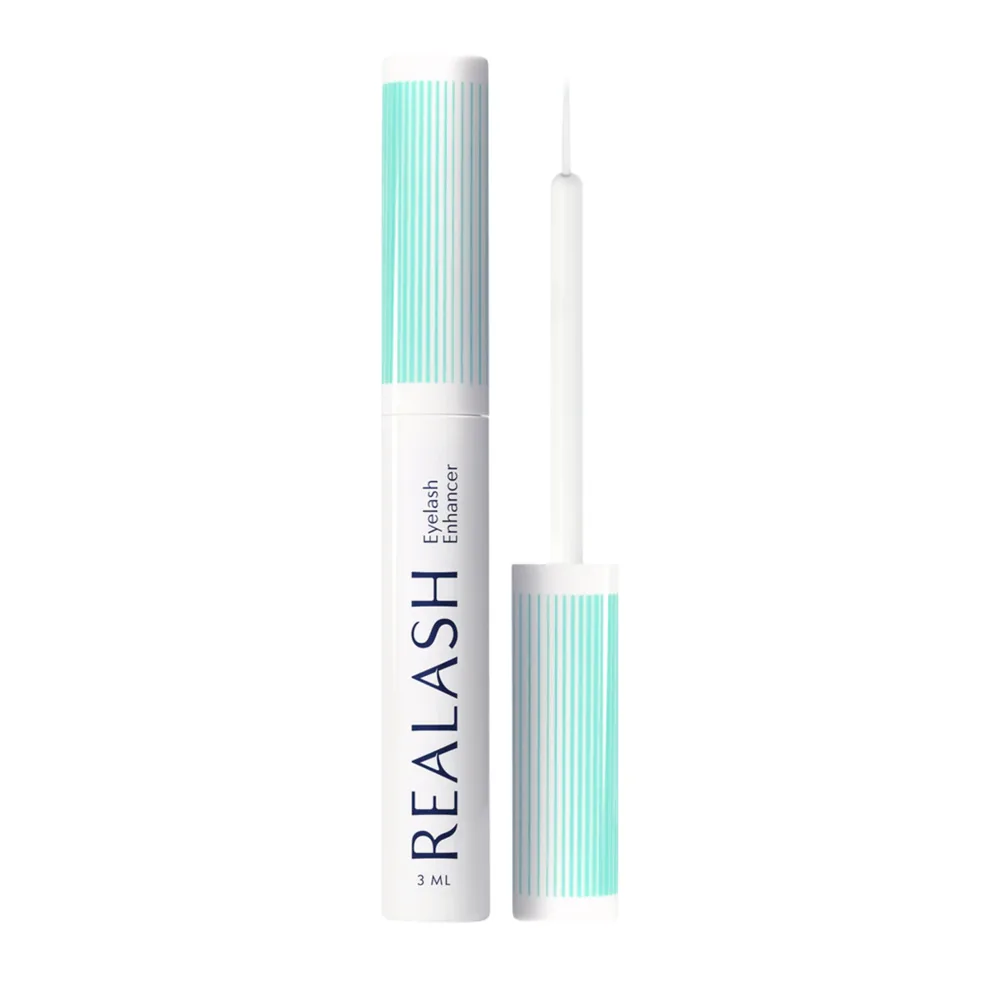
4 REALASH Eyelash Enhancer
Growth serum · £45 / 3 ml
REALASH Eyelash Enhancer
Peptides plus DDDE — the INCI names both
• Peptides plus DDDE • Brow-safe
8.0
score / 10
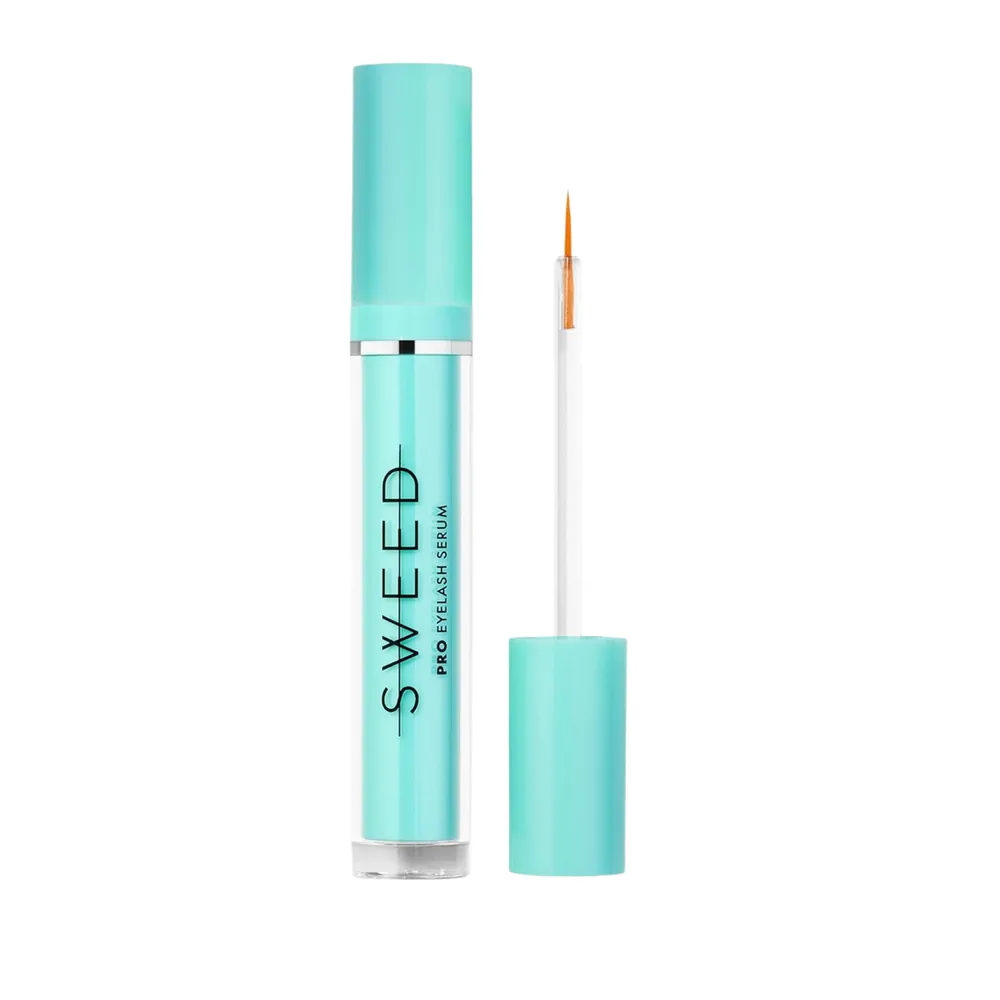
5 Sweed Lash Growth Serum
Peptide serum · £45 / 3 ml
Sweed Lash Growth Serum
Peptides, biotin and keratin — no analogue at all
• Verified prostaglandin-free • Peptides, biotin, keratin
7.9
score / 10

Ranked by serum type

Dial into what you need — every list uses the same testing method.

Reader top picks

No affiliate links and no sponsorships — how this site works. Prices are indicative UK RRPs.

Explore all →
Ranked #1Prostaglandin QUALASH Advanced Eyelash Serum
QUALASH Advanced Eyelash Serum
£34 / 3.5 ml
View →
Verified PG-free The Ordinary Multi-Peptide Lash and Brow Serum
The Ordinary Multi-Peptide Lash and Brow Serum
£16 / 5 ml
View →
Clean beauty Sweed Lash Growth Serum
Sweed Lash Growth Serum
£45 / 3 ml
View →
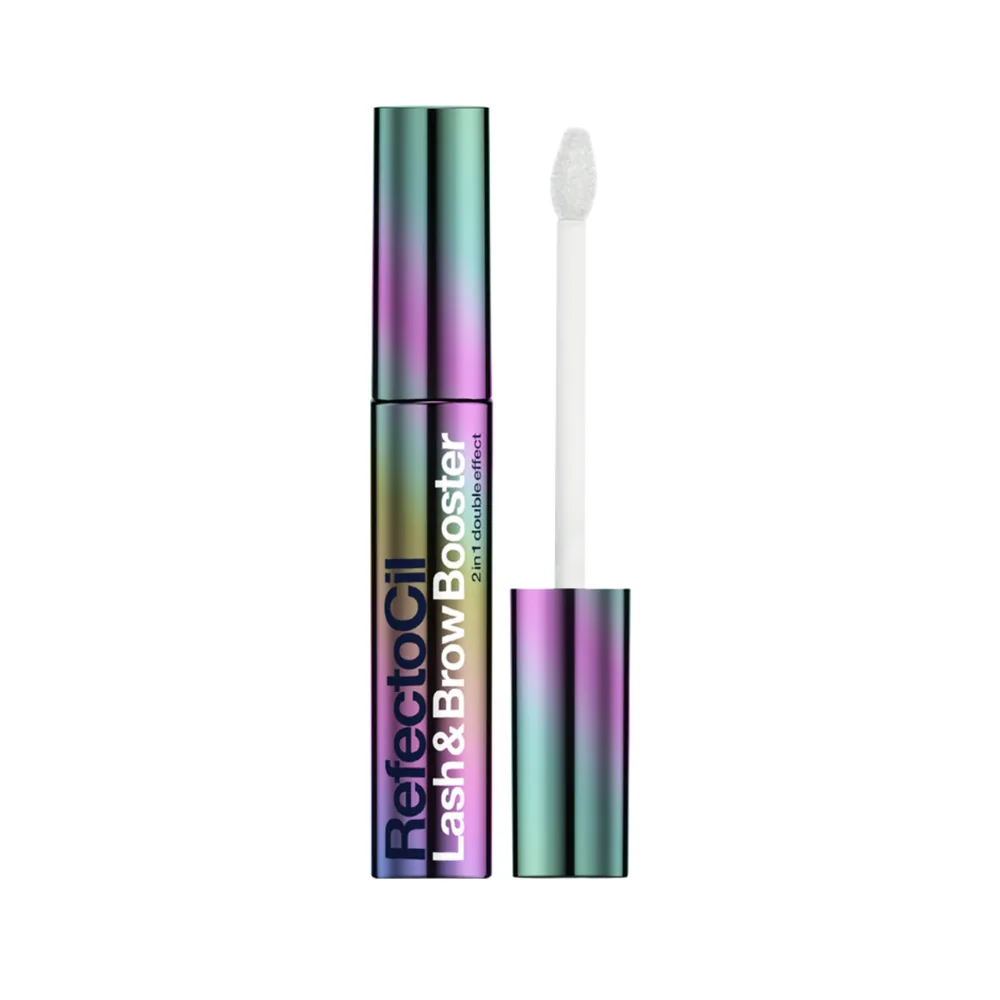
Extension-safe RefectoCil Lash & Brow Booster
RefectoCil Lash & Brow Booster
£20 / 6 ml
View →
Read this first

Prostaglandin analogues, explained

The strongest-looking lash serums often owe their results to prostaglandin analogues — drug-like ingredients such as isopropyl cloprostenate. They can work, but they are also linked to eyelid darkening, loss of fat around the eye socket and, rarely, permanent changes to iris colour.

This is moving quickly. The EU's Scientific Committee on Consumer Safety concluded in its final opinion of 2 February 2026 that three of these ingredients cannot be considered safe in cosmetic lash and brow products. In the UK, the Office for Product Safety and Standards commissioned analysis with the MHRA confirming they are present in serums sold here, and France's ANSES issued a cosmetovigilance alert in December 2025 linking isopropyl cloprostenate to periorbital fat loss and iris darkening.

Bimatoprost — the licensed prostaglandin used for lash growth — is a prescription-only medicine in the UK. It is not something that should turn up in a high-street cosmetic. We flag every serum in our ranking that contains one — twelve of fifteen, including the product at number one. The full breakdown is in our ingredient audit.

How we screen ingredients →

Stop using a serum if you notice

!
Redness, itching or swelling of the lid that does not settle
!
Darkening of the skin along the lash line
!
Eyes that look more hollow or sunken over time
!
Any change to your vision or to the colour of your iris

We review products, we are not clinicians — this is not medical advice. Speak to your GP, pharmacist or optometrist if you have an eye condition, are pregnant or breastfeeding, or already use a prescribed eye medicine.

How to choose in the UK

Five things worth checking before you spend £30 or more on a 3 ml tube.

1. Read the INCI list, not the front of the box

UK packaging must carry a full ingredient list in descending order. If biotinoyl tripeptide-1, panthenol or biotin appear right at the end, after the preservatives, there is very little of them in the tube. Scan for the letters prost. Isopropyl cloprostenate, ethyl tafluprostamide, ethylcloprostenolamide, norbimatoprost, dehydrolatanoprost and bimatoprost all contain them, and ethyl tafluprostamide and DDDE are two names for the same compound. Brand marketing is no substitute for reading it — twelve of the fifteen products we ranked contain a prostaglandin, several sold on their peptide content and one on being the hormone-free alternative.

2. Match the format to your eyes

Genuinely prostaglandin-free products are rarer than you would think — in our ranking only The Ordinary, Sweed and Eveline qualify once you count natural sources as well as synthetic analogues. They work more slowly, and there is nothing on the label that needs explaining. Conditioners such as RefectoCil and Long4Lashes strengthen what you already have and cost the least per month. Growth serums is where the prostaglandins sit, and it is a bigger group than the marketing suggests — twelve of our fifteen. Watch the names: several brands sell an analogue serum and a peptide-only version under almost the same label, one product marketed as a gentle conditioner turned out to contain DDDE, and one sold as the hormone-free alternative uses a coral extract that is among the richest natural prostaglandin sources known.

3. Work out the cost per month, not the price

A £30 serum that lasts three months costs about £10 a month. A £98 bottle that lasts two costs £49. That gap is far wider than the difference in results. Because lash serums only hold their results while you keep using them, the monthly figure is the one that matters — and it is what we score on.

4. Patch-test, then be patient

Test on the inner forearm for two nights before it goes anywhere near your lash line. Take lenses out before applying and let the serum dry. Then give it time: six to twelve weeks of nightly use is normal before anything is visible in a photograph. Serums promising a transformation in a fortnight are describing mascara.

5. Buy from a UK seller you can trace

Counterfeit lash serums are common on open marketplaces, and a fake tube has no verified ingredient list at all. Buy from the brand's own UK store or an established retailer, check the packaging carries a responsible person address in the UK or EU, and be sceptical of a price far below everyone else's.
Answering what matters

The questions we hear most from readers building their routine.

Do you accept money to rank serums higher?
↓

No. We buy every serum at UK retail price and no brand can pay to move up the list. There are no adverts, no affiliate links and no commission on this site at all — how this works.

How is the score out of 10 calculated?
↗

Four weighted sub-scores: efficacy (50%), safety (20%), ingredients (20%) and value (10%). Any product containing a prostaglandin analogue has its safety component capped and carries a label on the ranking — including the one currently in first place.

Are prostaglandin-based lash serums safe?
↓

They carry real risks: eyelid darkening, loss of fat around the eye socket and, rarely, permanent iris colour change. In February 2026 the EU's Scientific Committee on Consumer Safety concluded three of these ingredients cannot be considered safe in cosmetics, and UK regulators have confirmed they appear in serums sold here. We flag every product that contains one.

Do I need a prescription for a lash serum in the UK?
↓

Not for a cosmetic serum. Bimatoprost, the licensed prostaglandin used for lash growth, is a prescription-only medicine in the UK and should be discussed with a prescriber — it is not something that belongs in a high-street cosmetic.

How long until I see results?
↓

Six to twelve weeks of nightly use for most well-formulated serums. Results are maintained only while you keep using the product, and fade over one to two months if you stop.

How do I choose if I have sensitive eyes?
↓

Start with a fragrance-free, prostaglandin-free peptide serum or a nourishing oil, patch-test on the inner forearm for two nights, and take contact lenses out before applying.

More questions? See the full lash serum FAQ →
Portrait of a woman with defined lashes, eyes lowered