G
★
← Back to ranking growth.
Full review
Full ranking →
Ranked #7 of 15 Contains a prostaglandin analogue

RevitaLash Advanced

The serum most people picture when they hear the phrase. RevitaLash Advanced built the category, and it did it with dechloro dihydroxy difluoro ethylcloprostenolamide — the same compound QUALASH lists as ethyl tafluprostamide, at roughly three times the monthly cost.

Tested by the Growth Lash Serum panel · 12-week trial · Last reviewed 13 August 2026 · How we test

Price
£98
Size
2 ml
Cost / month
~£49
Type
Growth serum
Compare all 15 → Read the verdict
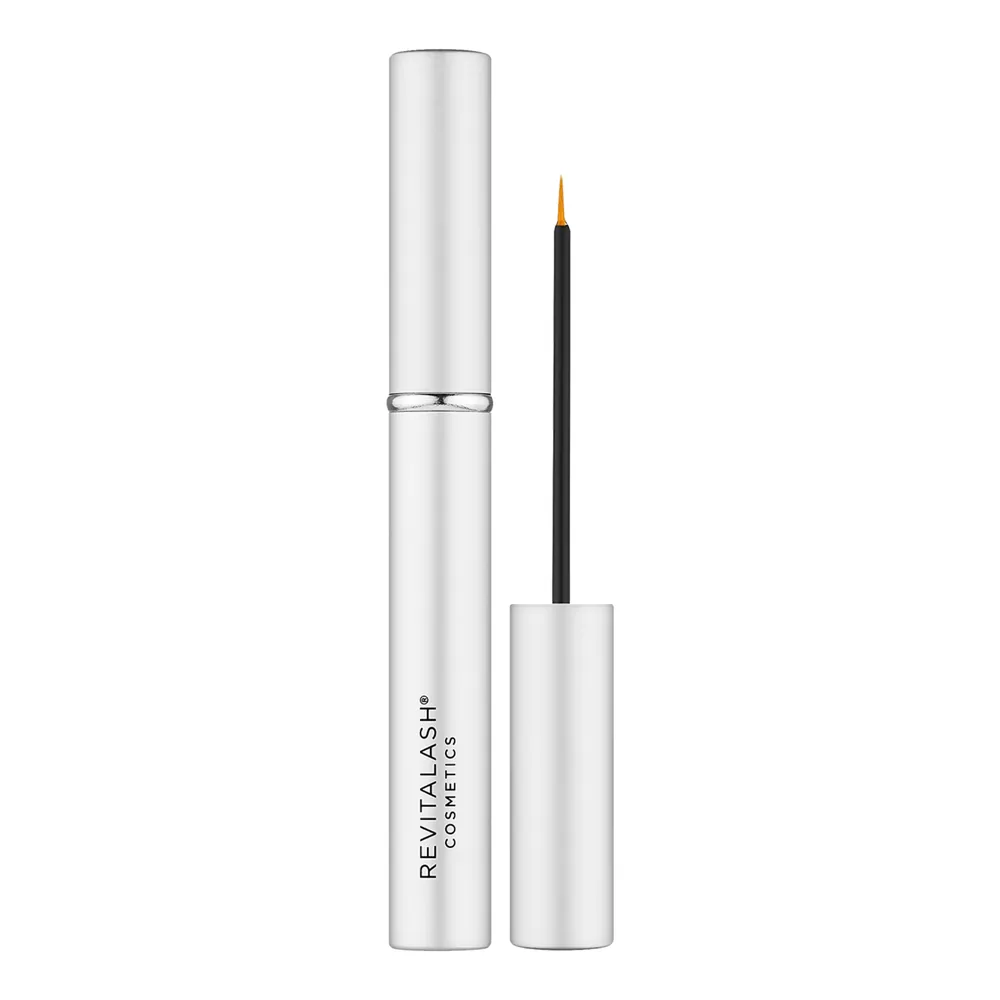
RevitaLash Advanced bottle
Growth overall score
Prostaglandin analogue: Dechloro Dihydroxy Difluoro Ethylcloprostenolamide
7.7
/ 10

Score breakdown

Efficacy
9.3

The best-established results in the category, and our panel matched the reputation.

Safety
5.0

Capped: DDDE, one of the three compounds the SCCS flagged.

Ingredients
8.5

Peptides, panthenol and biotin around the analogue.

Value
5.5

£98 for 2 ml. Around £49 a month — the second most expensive here.

The full review

12-week user trial · INCI read line by line

What is in it

Biotin sits third, which is unusually high, and the peptides — biotinoyl tripeptide-1 and octapeptide-2 — are at the very end. Ninth on the list is dechloro dihydroxy difluoro ethylcloprostenolamide, and RevitaLash annotates it on its own label as "a prostaglandin analogue". That is more candour than most of this category manages, and it deserves saying. DDDE is one of the three compounds the SCCS concluded in February 2026 cannot be considered safe in cosmetic lash and brow products, and it is the same substance QUALASH lists as ethyl tafluprostamide.

Full ingredient list

Aqua/Water/Eau, Glycerin, Biotin, Cellulose Gum, Phenoxyethanol, Chlorphenesin, Disodium Phosphate, Phosphoric Acid, Dechloro Dihydroxy Difluoro Ethylcloprostenolamide (a prostaglandin analogue), Butylene Glycol, Calendula Officinalis Extract, Panax Ginseng Extract, Serenoa Serrulata Extract, Camellia Sinensis Extract, Swertia Japonica Extract, Triticum Vulgare Germ Protein, Pentylene Glycol, Biotinoyl Tripeptide-1, Octapeptide-2.

How it performed

Excellent, and the most consistent results in the ranking after QUALASH. Visible change from week five to six, strong length by week twelve, and the brand's reputation for reliability is earned. Two testers reported early irritation; none reported darkening within the trial window.

Who it is for

People who want the best-known name and are not price-sensitive. The exclusions are the same as every analogue serum: glaucoma, prescribed eye drops, pregnancy, breastfeeding, light irises.

What we liked

✓
The most established track record in the category
✓
Consistent, visible results from week five to six
✓
Sold through reputable UK retailers

Keep in mind

−
£98 for 2 ml — about £49 a month
−
Contains DDDE, an SCCS-flagged analogue
−
Same active as products at a third of the price
The verdict

Ranked #7 of 15

It works, and it has earned its reputation. But it is the same class of active as several serums here at a fraction of the price, and the premium buys you brand and distribution rather than a different result.

7.7
Growth score

Safety note

This product contains Dechloro Dihydroxy Difluoro Ethylcloprostenolamide. Prostaglandin analogues are associated with darkening of the eyelid skin, loss of fat around the eye socket and, rarely, permanent change to iris colour. Do not start it if you have glaucoma or ocular hypertension, or use prescribed eye drops, without speaking to a clinician. Patch-test first, photograph your eyes for a baseline, and stop if you notice redness, swelling, darkening or any change to your vision.

We review products, we are not clinicians, and this is not medical advice. Ingredient information was taken from the manufacturer's published INCI list on 13 August 2026 — formulas change and brands sell variants under similar names, so check the pack you are holding. If this page is out of date, email us and we will correct it.